Column · @augustekzh057
How a TRT Clinic in La Jolla Can Be Part of Your Wellness Plan
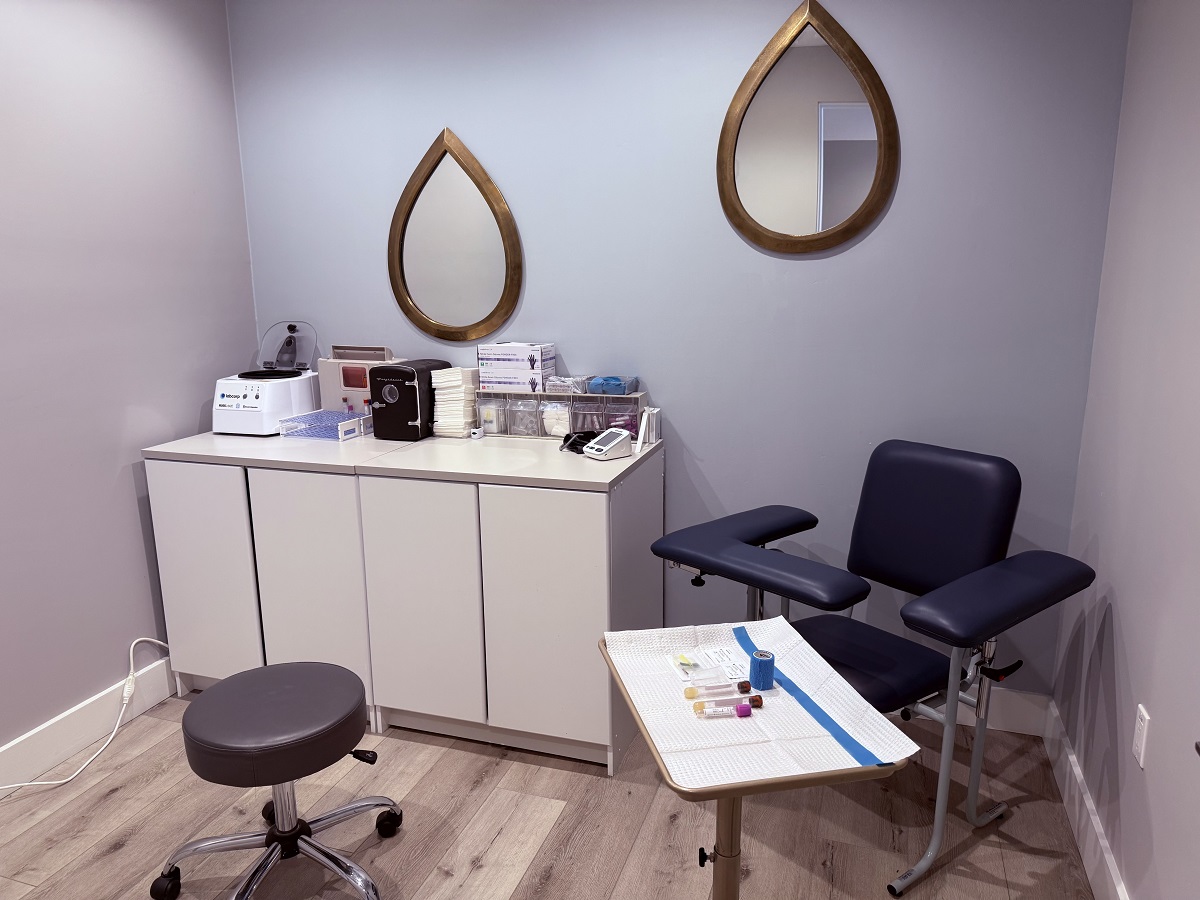


Wellness plans tend to evolve with age. What works at 28 often stops working at 42. A training routine that once produced steady results can start to feel punishing. Sleep becomes lighter, recovery slows, motivation turns unreliable, and body composition shifts even when diet stays fairly disciplined. Men often describe this stage in practical terms, not dramatic ones. They say they feel flat. Less driven. More irritable than usual. They stop bouncing back the way they used to.
Sometimes those changes are related to stress, poor sleep, overwork, alcohol, under-eating, overtraining, or untreated medical issues. Sometimes testosterone is part of the picture. That is where a good trt clinic La Jolla can fit into a broader wellness plan, not as a magic fix, but as one tool in a careful, medically supervised process.
The key word is broader. Testosterone replacement therapy should never be viewed in isolation. The best outcomes usually come when hormone care is integrated with sleep, nutrition, movement, cardiovascular health, sexual health, and long-term risk management. In other words, TRT works best when it is part of a system.
Wellness is not just about energy
Many people first look into TRT because of fatigue. That makes sense. Low testosterone can contribute to low energy, but fatigue is one of the least specific symptoms in medicine. A man who feels drained by trt clinic La Jolla 3 p.m. May have low testosterone, but he may also have sleep apnea, insulin resistance, depression, chronic stress, anemia, thyroid dysfunction, or a schedule that would exhaust anyone.
That is why a responsible clinic does not reduce the conversation to one lab value or one symptom. A good provider asks how you sleep, what your workdays look like, how much alcohol you drink on weekends, whether you snore, whether your libido has changed, how often you train, whether your strength has dropped, and how your mood has shifted over the past year or two. They also ask what you actually want. More energy for parenting? Better gym recovery? Improved sexual function? Sharper focus at work? Better preservation of muscle while aging? Those goals matter because they shape how therapy is evaluated.
From a wellness perspective, this matters more than many patients realize. Men who approach TRT as a shortcut often get disappointed. Men who treat it as part of a full health strategy usually make better decisions and are easier to manage safely over time.
What a thoughtful TRT evaluation should look like
One of the clearest signs of quality is what happens before any prescription is written. In a well-run setting, there is usually a detailed intake, symptom review, and lab workup rather than a fast sales process. A clinician should be trying to answer a basic question: does testosterone deficiency appear to be present, and if so, is replacement appropriate for this individual?
That sounds simple, but in practice it requires judgment. Testosterone levels fluctuate. Time of day matters. So do sleep, illness, calorie deficits, recent overtraining, and certain medications. A single borderline result does not always tell the story. Symptoms matter, repeat testing may matter, and context definitely matters.
A good evaluation also looks beyond total testosterone. Depending on the case, the workup may include free testosterone, sex hormone binding globulin, estradiol, luteinizing hormone, follicle-stimulating hormone, complete blood count, metabolic markers, and thyroid labs. If fertility is a concern, that should be addressed early, not after treatment begins. Exogenous testosterone can suppress natural production and reduce sperm output. Men in their 30s and early 40s sometimes overlook this until they are actively trying to conceive.
That is one reason the right clinic experience feels more like comprehensive medicine than a transaction. The provider is not just asking whether you want testosterone. They are assessing whether TRT makes sense in the first place, whether another cause should be treated first, and how therapy would fit with your actual life.
Why location and practice style can matter
La Jolla has a strong wellness culture, and that can cut both ways. On the positive side, patients often come in already thinking about training, recovery, diet, body composition, and preventive care. They may be accustomed to investing in their health, which helps with adherence and follow-up. The downside is that health optimization can drift into performance chasing. It becomes easy to pursue numbers, aesthetics, or social-media expectations instead of treating a real deficiency with real medical oversight.
That is why the style of a trt clinic La Jolla matters. In areas where patients are health-conscious and proactive, the best clinics know how to separate genuine hormone issues from lifestyle noise. They do not overpromise. They do not imply that every tired professional or every man struggling with midlife stress needs testosterone. They are comfortable saying, “Your labs are not especially convincing,” or, “Let’s fix sleep and reassess,” or, “You need a sleep study before we talk about TRT.”
Those are often the most trustworthy conversations.
When TRT genuinely fits into a wellness plan
For the right patient, TRT can be meaningful. Not dramatic in a movie-script sense, but meaningful in daily life. Men who are truly hypogonadal often report steadier energy, improved libido, better training recovery, improved sense of well-being, and sometimes a clearer ability to maintain lean mass. Sexual function can improve, though not always for the reasons patients expect. Mood can improve, though TRT is not an antidepressant. Body composition may shift over time, particularly if resistance training and nutrition are already in place.
The men who do best are often not the ones looking for the fastest change. They are the ones willing to treat sleep as seriously as injections, to monitor blood work, to adjust dose carefully, and to accept that wellness is built through a combination of habits and medicine rather than a single weekly shot.
In practice, TRT tends to fit well into a plan when several conditions are true:
- Symptoms are consistent and persistent, not just a rough month.
- Lab findings support the clinical picture.
- Other likely causes have been evaluated rather than ignored.
- The patient understands the trade-offs, including fertility and monitoring.
- There is a realistic plan for follow-up, not just a prescription refill.
That list may sound basic, but it filters out a lot of poor decision-making.
The changes people notice, and the ones they expect too soon
Many patients begin therapy expecting an immediate transformation. That is rarely how it unfolds. Some notice libido changes within weeks. Some feel a bit more drive in the gym after a month or two. Body composition changes usually take longer and depend heavily on food intake, lifting consistency, sleep quality, and alcohol habits. Mental benefits can be subtle. Men often tell me the first thing they notice is not a surge of energy, but a decrease in friction. They stop talking themselves into everything. They are more likely to start the workout, finish the workday without dragging, or stay engaged in intimate relationships.
That distinction is useful because it keeps expectations grounded. TRT does not create discipline. It does not replace calories, protein, sleep, or programming. It may improve the physiological backdrop against which those efforts work. For someone whose testosterone has been low enough to interfere with quality of life, that can be significant.
There are also men who start therapy and feel very little. That does not always mean treatment was wrong, but it does demand a closer look. Dose may be off. Estradiol may need interpretation in context. Sleep may still be poor. Hematocrit may be rising. Or testosterone may never have been the real issue. Good clinics do not respond to every disappointing result by simply escalating dose.
The importance of follow-up, not just prescribing
This is where many treatment experiences separate into good and bad. Almost anyone can write a prescription. Far fewer practices monitor patients carefully over time.
TRT requires follow-up because the body responds in ways that need watching. Red blood cell counts can rise. Blood pressure needs context. Lipids matter. Estradiol becomes a source of confusion if managed too aggressively or too casually. Symptom tracking matters just as much as lab tracking. A patient whose numbers look “great” on paper but feels anxious, flushed, and sleep-disrupted is not actually doing well.
Good follow-up also protects against a common mistake: letting treatment goals drift. A man may start therapy because he felt persistently unwell and had documented low testosterone. Six months later, he may be asking for a higher dose because he wants to get leaner before summer. Those are different medical conversations. The clinic needs enough backbone to recognize the shift and steer care responsibly.
A strong follow-up system usually includes regular lab review, dose reassessment, and frank discussions about symptoms, side effects, and life changes. If someone gains 15 pounds, starts snoring more, changes work schedules, or decides to have children, the treatment plan may need to change with him.
Fertility, family planning, and the conversation many men postpone
This deserves direct attention because it is often glossed over in casual discussions about TRT. Testosterone replacement can suppress the hormonal signals that drive sperm production. For men who may want children, this is not a minor footnote. It should be part of the initial decision, not an afterthought.
A medically careful clinic will ask about future fertility before starting treatment. In some cases, alternatives or adjunctive therapies may be discussed, depending on the patient’s goals and medical profile. Not every man beginning TRT is trying to conceive next year, but many are in life stages where that possibility still matters. The worst time to discover that fertility was affected is after months or years of treatment without planning.
This is one of the clearest examples of why TRT belongs inside a genuine wellness framework. Wellness is not only about energy and physique. It is also about preserving options and making treatment choices that fit a person’s life trajectory.
Lifestyle work still carries most of the weight
There is a temptation to divide health into “natural” approaches and “medical” ones, as if the two are in conflict. In reality, the strongest wellness plans usually combine both. If you walk into a trt clinic La Jolla hoping therapy will cancel out chronic sleep restriction, weekend binge drinking, minimal protein intake, and erratic exercise, you are asking the wrong treatment to do too much.
The men who tend to get the most from TRT usually become more consistent in the basics, not less. They lift with a plan. They eat enough protein to support recovery. They stop treating sleep like a luxury. They reduce alcohol because they realize how much it affects training, libido, and next-day mood. They address body fat when needed, since excess adiposity can worsen hormonal balance and cardiometabolic risk.
A practical wellness plan around TRT often includes attention to the following:
- Sleep duration and sleep quality, especially if snoring or apnea is suspected.
- Resistance training at least a few times per week, with progression and recovery built in.
- Nutrition that supports muscle maintenance, metabolic health, and stable energy.
- Cardiovascular screening and routine primary care, not just hormone care.
- Stress management that is realistic enough to maintain during busy seasons.
None of that is glamorous. All of it matters.
The edge cases that require extra caution
Not every patient is straightforward. Some men have borderline symptoms and borderline labs. Some are relatively young and burned out from work, parenting, and under-recovery. Some are overweight with poor sleep and low-normal testosterone that may improve substantially if sleep apnea is treated and body fat decreases. Some have a history of clotting issues, elevated hematocrit, uncontrolled blood pressure, or untreated psychiatric conditions that complicate treatment.
These cases are where experienced clinical judgment matters most. A wellness-minded provider does not force every gray-area patient into the same pathway. Sometimes the right move is to defer TRT and tackle weight loss, sleep, or medication review first. Sometimes it is appropriate to proceed carefully with close monitoring. Sometimes the best service a clinic can provide is restraint.
The same goes for symptom interpretation. Low libido may reflect hormonal issues, but it can also reflect relationship strain, poor sleep, performance anxiety, depression, or SSRIs. Decreased gym performance may be hormonal, but it can also be overreaching, under-fueling, or age-related changes in recovery. Reduced focus may reflect testosterone, but it can just as easily reflect stress and cognitive overload. Medicine works best when it resists single-cause thinking.
What to look for in a clinic setting
Patients often ask how to tell whether a clinic is likely to provide thoughtful care. You can learn a lot from the first consultation. If the conversation is mostly about quick benefits, physique, and getting started immediately, that is not a great sign. If the provider spends time on medical history, medications, sleep, blood pressure, fertility, and realistic expectations, that is usually more reassuring.
It also helps to pay attention to how the practice handles uncertainty. Good medicine includes phrases like “it depends,” “we should repeat that,” and “let’s rule out a few things first.” That may sound less exciting than a sales pitch, but it is usually how competent care sounds.
La Jolla patients often have access to a range of health resources, from primary care to sports medicine to nutrition coaching and sleep testing. A strong clinic understands when to coordinate with those resources rather than trying to be the answer to every problem. That collaborative mindset is a major asset when TRT is part of a larger health plan.
The long view matters more than the first three months
Many treatments feel promising at the start. The real question is how they function over years. With TRT, the long view includes monitoring, adherence, changing life goals, and ongoing risk-benefit analysis. A man at 38 who wants better energy for work and young kids may still benefit from treatment at 45, but his priorities may shift toward cardiovascular health, blood pressure management, and preserving muscle during a demanding career. Another man may start therapy, improve his habits, reduce stress, and later revisit whether the same plan still serves him.
Thinking long term changes the conversation. Instead of asking, “Will this make me feel better next month?” the more useful question becomes, “Does this support the kind of health I want over the next decade?” That is a more mature frame, and it tends to produce better decisions.
A well-run trt clinic La Jolla can absolutely be part of that kind of plan. The right clinic offers structure, interpretation, and accountability. It helps distinguish real deficiency from trt clinic La Jolla wishful thinking. It monitors treatment rather than merely dispensing it. It respects the fact that hormones affect real systems, not just energy levels and gym performance.
For men who are appropriate candidates, TRT can be a valuable piece of the puzzle. Not the entire puzzle, and not a replacement for the unglamorous work of staying healthy, but a legitimate medical tool. When used with care, judgment, and follow-through, it can support a stronger, more functional version of wellness, one that is measured not by hype, but by steadier days, better recovery, improved vitality, and a healthier trajectory over time.
SDBody La Jolla
7710 Fay Ave, La Jolla, CA 92037
+1 858-401-2383
FAQ About trt clinic La Jolla
How much should my TRT cost?
TRT costs depend on the clinical evaluation, medication, laboratory testing, and follow-up plan. Ask for an itemized estimate that includes the initial visit and ongoing monitoring. SDBody La Jolla can explain its current fees after discussing the services being considered.
Will Insurance Pay for TRT in La Jolla?
Coverage depends on your plan, diagnosis, prescribed treatment, and provider network. Ask your insurer about medical necessity requirements, prior authorization, laboratory coverage, and out-of-pocket costs. Confirm SDBody La Jolla's billing arrangements directly; insurance payment is not guaranteed.
Is TRT safer than steroids?
Testosterone is itself an anabolic steroid. Clinician-prescribed replacement for confirmed testosterone deficiency differs from nonmedical steroid use, but it still carries risks and requires monitoring. Possible concerns include increased red blood cell levels and reduced sperm production. Discuss your medical history and fertility goals with a qualified clinician before considering treatment.