Column · @augustekzh057
TRT Replacement Therapy Near Me: Early Signs You Shouldn’t Ignore


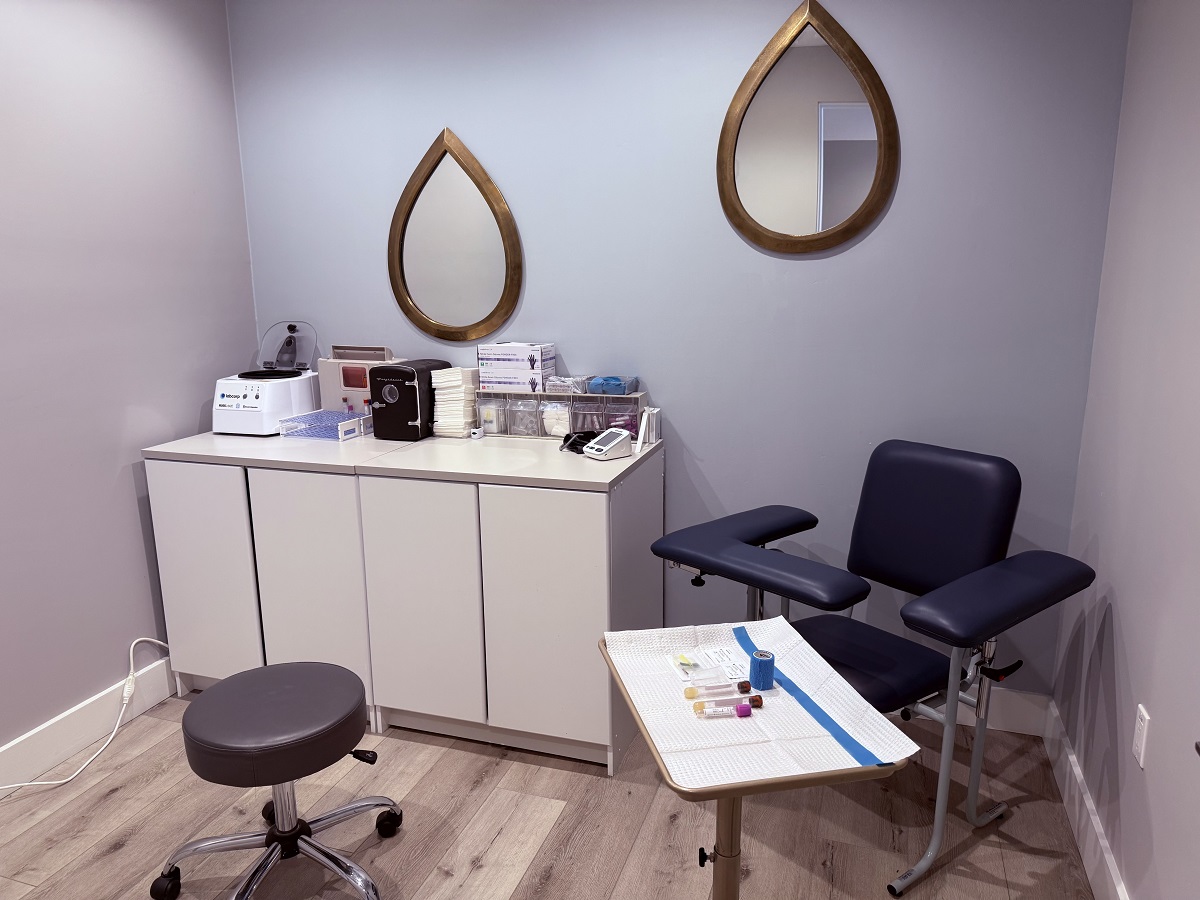
A search for “Trt replacement therapy near me” usually starts quietly. Most men do not wake up one day and decide they need testosterone treatment. What happens instead is slower and easier to dismiss. Energy slips. Motivation drops. Recovery from workouts gets worse. Sleep feels less restorative, even after a full night. Libido changes. Mood shifts. Body composition starts moving in the wrong direction despite habits that used to work.
Those changes often get blamed on stress, aging, work, parenting, poor sleep, or simply being busy. Sometimes that explanation is accurate. Sometimes it is not. Low testosterone can overlap with all of those issues, which is why it gets missed so often in the early stages.
What matters is not panic, but pattern recognition. When symptoms are persistent, disruptive, and out of proportion to your lifestyle, they deserve a closer look. Testosterone replacement therapy, often called TRT, is not a shortcut or a wellness trend. It is a medical treatment with real benefits, real risks, and a proper place in care for the right patient. The hard part is recognizing when your symptoms have crossed the line from occasional inconvenience to something worth evaluating.
The first signs are rarely dramatic
In clinical practice, the earliest signs of low testosterone are often subtle enough to sound ordinary. A man in his late thirties might say he still gets through the workday, but by evening he feels flat and detached. A man in Trt replacement therapy near me his fifties might mention that his workouts have become inconsistent because he never feels fully recovered. Another might notice he has less patience, less drive, and less interest in sex, yet cannot point to one major event that explains the change.
This gradual onset is one reason symptoms get ignored. People expect hormone problems to announce themselves loudly. They often do not. Instead, low testosterone may look like a cluster of modest declines that build over time. Each one is easy to rationalize. Together, they can reshape quality of life.
The men who tend to seek evaluation early are not always the sickest. They are often the ones who know their own baseline well. They can tell that something has shifted in a way that does not fit their normal rhythm.
When fatigue is more than being busy
Fatigue is one of the most common complaints, but it is also one of the least specific. That makes it tempting to dismiss. The key is context. Ordinary fatigue tends to track with poor sleep, travel, heavy workload, illness, or overtraining. Hormone related fatigue often feels more persistent. It lingers even when the schedule eases up. It does not fully respond to rest. Motivation drops along with energy.
A pattern I hear often is this: a man is still functioning, still going to work, still handling responsibilities, but everything feels heavier than it used to. He is not sleeping in all day. He is not collapsing. He simply no longer has reserve. The fuel tank feels smaller.
Low testosterone is not the only cause of that pattern. Thyroid disease, sleep apnea, depression, medication side effects, anemia, and chronic stress can all look similar. That is exactly why a proper evaluation matters. A good clinic will not jump from tiredness straight to a prescription.
Sexual changes often appear early, but people avoid talking about them
For many men, the earliest and most meaningful clue is a change in sexual function. Libido may decline gradually. Morning erections may become less frequent. Erections may feel less reliable or less firm. Sometimes desire remains but performance changes. Other times both drop together.
This is an area where embarrassment delays care. Men will often put up with these symptoms for months or years, especially if they can still function part of the time. They may try to solve the issue through willpower, supplements, or silence. That usually leads to frustration.
Sexual symptoms deserve careful interpretation. Erectile dysfunction, for example, is not automatically a testosterone problem. Vascular disease, diabetes, anxiety, medications, alcohol use, and sleep issues can all play a role. Still, when sexual changes show up alongside fatigue, reduced drive, mood changes, and loss of muscle mass, low testosterone moves higher on the list of possibilities.
Mood changes are real, even when labs are only modestly abnormal
One of the more overlooked features of testosterone deficiency is the emotional shift that can come with it. This does not always present as obvious depression. Often it is irritability, apathy, low frustration tolerance, reduced confidence, or a sense of emotional flattening. Men sometimes describe it as feeling unlike themselves. They are present, but not fully engaged.
This matters because many patients first seek help for the secondary effects. Their relationship feels strained. Work feels harder to manage. Motivation to train, socialize, or pursue goals fades. They assume the issue is psychological, and sometimes part of it is. Hormones do not explain every mood change. But they can be one meaningful piece of the picture.
In practice, the strongest clue is not one bad week. It is a sustained shift in temperament or resilience. If your threshold for stress feels lower than it used to, and that change arrived with physical symptoms, do not ignore it.
Strength, body composition, and recovery can change before the scale does
A lot of men expect low testosterone to show up as obvious weight gain. Sometimes it does, particularly increased fat around the abdomen. But a more telling change can be loss of lean mass, weaker training output, and slower recovery. A man who used to respond predictably to lifting may find that the same program no longer works. He may get sorer from easier sessions. He may feel less explosive, less competitive, less physically capable.
This is not just vanity or normal aging anxiety. Testosterone plays a genuine role in muscle protein synthesis, recovery, red blood cell production, and overall physical capacity. When levels are low, the body often feels less responsive.
The nuance here is important. Training plateaus happen for many reasons. Nutrition drifts. Sleep suffers. Stress rises. Injuries accumulate. But when body composition worsens despite steady habits, and especially when that shift comes with low libido or persistent fatigue, hormone testing becomes more reasonable.
Pay attention to this cluster of symptoms
A single symptom rarely tells the whole story. The combination is what raises concern.
- Ongoing fatigue that does not improve much with rest
- Lower libido or fewer morning erections
- Declining workout performance or slower recovery
- Irritability, low motivation, or reduced mental sharpness
- Increasing body fat or loss of muscle despite familiar habits
If you see yourself in several of these at once, it is worth discussing with a qualified medical provider rather than guessing.
Why “normal aging” is not always a useful answer
Testosterone levels do tend to decline with age, but that fact can become an excuse to ignore treatable symptoms. A mild age related decline is not the same as clinically significant hypogonadism. The goal is not to chase youthful lab numbers for their own sake. The goal is to understand whether your symptoms and hormone levels together suggest a medical problem that deserves treatment.
That distinction matters because some men are symptomatic at levels another man might tolerate without issue. Labs need context. Total testosterone, free testosterone, sex hormone binding globulin, estradiol, luteinizing hormone, follicle stimulating hormone, prolactin, thyroid markers, blood count, and metabolic markers can all help clarify what is happening. One isolated number, drawn at the wrong time or interpreted without symptoms, can be misleading.
Morning testing is usually preferred because testosterone follows a daily rhythm, especially in younger men. It is also common to repeat a low result before making a diagnosis. Good medicine is cautious here for a reason.
The hidden factor many men miss: sleep apnea and metabolic health
A significant number of men searching “Trt replacement therapy near me” are dealing with more than one issue at once. Low testosterone can coexist with obesity, insulin resistance, poor sleep, and obstructive sleep apnea. These problems feed into one another. Weight gain worsens sleep apnea. Sleep apnea disrupts restorative sleep and may affect hormone balance. Fatigue worsens activity levels. Reduced activity worsens body composition. The cycle reinforces itself.
This is one reason responsible TRT care should feel broader than simply prescribing testosterone. If a clinic never asks about snoring, daytime sleepiness, blood pressure, alcohol use, fertility goals, or waist circumference, that is a problem. Treating hormones while ignoring major contributors to symptoms can leave patients underdiagnosed and undertreated.
I have seen men feel dramatically better after addressing sleep apnea, even before any hormone intervention. I have also seen men with true testosterone deficiency improve most when both issues were managed together. Good care is rarely one dimensional.
Fertility changes the conversation
One of the biggest misconceptions about TRT is that it is a harmless boost for any man who feels off. It is not. If you want to preserve or pursue fertility, that matters from the first conversation. Standard testosterone replacement can reduce sperm production, sometimes substantially. For men planning to have children, this is not a small detail.
This does not mean symptomatic men with low testosterone have no options. It means the treatment plan has to match their goals. Some men need further endocrine evaluation. Some may be better candidates for alternatives that stimulate endogenous hormone production in specific circumstances. Others may decide TRT is still appropriate after informed discussion. What should never happen is starting treatment casually without understanding the reproductive implications.
If a clinic does not ask about fertility upfront, keep looking.
What a thoughtful TRT evaluation should include
The best TRT evaluations do not feel rushed. They begin with history, not hype. A physician or qualified clinician should ask when symptoms began, how they have changed, what medications you take, whether you use opioids or anabolic steroids, how you sleep, how much alcohol you drink, whether you have had head trauma, testicular injury, pituitary issues, chronic illness, or major weight changes. Family history matters too.
Physical examination still has a place. Blood pressure, body composition, signs of sleep apnea risk, and in some cases testicular exam or evaluation for gynecomastia can all contribute useful information. Then come the labs, typically taken in the morning and often repeated if low. From there, the discussion should move to cause, options, expected benefits, limitations, monitoring, and safety.
This is where experience matters. Not every low result means lifelong TRT. Not every symptom is hormonal. And not every patient who qualifies will respond the same way. The best clinicians are honest about that.
What treatment can help, and what it cannot
For men with confirmed testosterone deficiency and symptoms, TRT can be genuinely helpful. Energy may improve. Libido often improves. Recovery, mood, and body composition can improve over time. Some men notice a difference within weeks, particularly in libido or motivation. Other changes, like shifts in muscle mass or fat distribution, usually take longer and still depend on sleep, nutrition, and training.
What TRT cannot do is solve every problem automatically. It will not outwork chronic sleep deprivation, poor diet, heavy alcohol use, untreated depression, or a chaotic training plan. It is not a replacement for discipline. It is a treatment that can restore a hormonal environment in which discipline starts working again.
That distinction is important because unrealistic expectations lead to disappointment. If a patient expects instant fat loss, dramatic muscle gain, and constant high energy, he is likely to be frustrated. If he understands that treatment supports recovery, drive, and function over time, he is more likely to judge progress accurately.
How treatment is usually monitored
Once treatment begins, follow up matters just as much as diagnosis. Testosterone therapy is not something to start and forget. Dosing needs adjustment. Blood counts need monitoring because hematocrit can rise. Estradiol may need interpretation in context. Blood pressure, symptoms, and side effects should be reviewed regularly. Depending on age and medical history, prostate related monitoring may also be part of the discussion.
A careful clinic will explain the treatment form being used, whether injections, gels, or another approved method, and why it suits your situation. Each route has trade-offs. Injections can produce stronger peaks and troughs depending on schedule. Gels offer steadier delivery for some patients but require attention to skin transfer risk. Convenience, cost, tolerance, and preference all matter.
The point is not that one method is universally best. The point is that your treatment should feel individualized rather than copied from a standard script.
Red flags when choosing a clinic near you
Local access matters. Convenience improves adherence, and follow up is easier when the clinic is reachable. But proximity should never be the main standard. When people search for “Trt replacement therapy near me,” they often compare websites, pricing, and promises. The marketing can be polished. What matters is whether the medicine is sound.
Watch for these warning signs:
- Diagnosis based on symptoms alone, with little or no lab work
- Pressure to start treatment immediately after one borderline result
- No discussion of fertility, sleep apnea, or cardiovascular risk factors
- Minimal follow up or vague plans for blood monitoring
- Promises that sound more like body transformation advertising than medical care
A strong clinic explains uncertainty, not just benefits. It welcomes questions. It talks about why you may or may not be a good candidate. That level of restraint is a good sign.
Cases that deserve extra caution
Some men need a particularly careful workup before any treatment starts. Younger men with unexpectedly low testosterone should be evaluated thoughtfully, especially if symptoms appeared suddenly. Men with pituitary symptoms, such as headaches or visual changes, may need more investigation. Those with untreated severe sleep apnea, high hematocrit, uncontrolled heart failure, active prostate concerns, or a history that suggests steroid suppression also deserve a more nuanced approach.
This is where online advice becomes unreliable. Forums are full of simplified answers and aggressive self treatment recommendations. Real endocrinology is not that clean. One man’s successful protocol can be another man’s mistake. Individual history changes risk.
When to stop brushing symptoms aside
Men are often trained to normalize decline. They tell themselves they are just tired, just older, just under pressure. That mindset can delay treatment for something that is both diagnosable and manageable. It can also delay the discovery of other important issues, from sleep apnea to thyroid dysfunction to diabetes.
The best moment to act is not when life has become unmanageable. It is when the pattern becomes clear. If your drive has faded, your training has stalled, your libido has dropped, and your mood feels blunted for months rather than days, it is time for a proper medical conversation.
That does not commit you to TRT. It commits you to finding out what is actually going on. For many men, that alone is a relief. Uncertainty drains energy too.
A sensible next step
Start with a clinic or physician who treats hormone health as medicine, not marketing. Bring a short symptom timeline. Note changes in energy, sleep, libido, mood, and physical performance. Be honest about medications, alcohol, past steroid use, and fertility plans. Ask what labs they order, whether they repeat low results, how they monitor treatment, Trt replacement therapy near me and what alternatives they consider if TRT is not the right fit.
That level of preparation leads to better decisions. It also helps separate serious providers from the ones selling a one size fits all solution.
If you have been searching for “Trt replacement therapy near me,” the goal is not to find the fastest prescription. It is to find the right diagnosis and the right plan. Early signs matter because they rarely stay small forever. When you catch the pattern early, you give yourself more room to treat the cause, protect long term health, and feel like yourself again.
SDBody La Jolla
Address: 7710 Fay Ave, La Jolla, CA 92037
Phone number: +18584012383
FAQ About Trt replacement therapy near me
Will insurance pay for TRT therapy in La Jolla, CA?
Coverage varies by plan and may depend on the diagnosis, blood test results, medication and prior authorization. Ask your insurer which visits, lab tests and formulations it covers and what you would pay out of pocket.
What is the most affordable TRT clinic in La Jolla?
Compare written estimates for the initial visit, lab work, medication and follow-up monitoring. Your total cost will depend on your insurance and the care your clinician recommends.
Is TRT replacement good for you in La Jolla, CA?
Testosterone replacement may help some people with symptoms and consistently low testosterone confirmed by blood tests. A clinician can review the potential benefits, risks, fertility plans and monitoring needs before recommending treatment.